
Menu

If you're planning a move or trying to tighten your monthly budget, it helps to look at Winnipeg costs in a practical way. Most renters don't need a huge spreadsheet. They need a clear sense of what housing, groceries, utilities, and commuting are likely to cost before a lease starts.
The Winnipeg cost-of-living picture for 2026 is still more manageable than what many renters see in Canada's biggest cities, but it isn't inexpensive in every situation. Your total can shift quickly depending on rent, whether utilities are included, and if you rely on transit or drive every day. That's why this guide focuses on realistic ranges rather than a single perfect number.
If you're wondering how expensive Winnipeg is in 2026, the short answer is that it's still one of the more affordable major-city options for renters, but it takes planning to keep monthly costs comfortable. Recent estimates from Wise and CityCost put one person's total monthly costs, including rent, at roughly $2,100 to $2,200. That gives you a useful starting point for cost of living Winnipeg research, not a fixed rule.
In real life, Winnipeg living expenses in 2026 usually come down to three things: What you pay for housing, how much of your lease is all-inclusive, and how often you need to spend on transportation outside your neighbourhood. A roommate setup with transit and careful grocery planning can land well below the upper end of the range. A newer one-bedroom, separate utilities, and regular driving can push you noticeably higher.
Housing still does most of the work in your monthly budget. If you're searching for the average rent in Winnipeg 2026 numbers, it's reasonable to expect many one-bedroom rentals to sit in the low-$1,300s, while larger, newer, or better-located suites can move well beyond that. Two-bedroom units often land in the mid-$1,600s or higher, especially when you add parking, upgraded finishes, or stronger amenity packages.
What's just as important as the sticker price is what's included. A suite that includes heat and water can feel much easier to manage than a slightly less expensive apartment that leaves you paying every service separately. Market pressure is still part of the story too. WOWA reported Winnipeg's average home price at $427,223 in May 2026, which helps explain why rental demand has stayed firm and why value matters so much when you're comparing neighbourhoods.
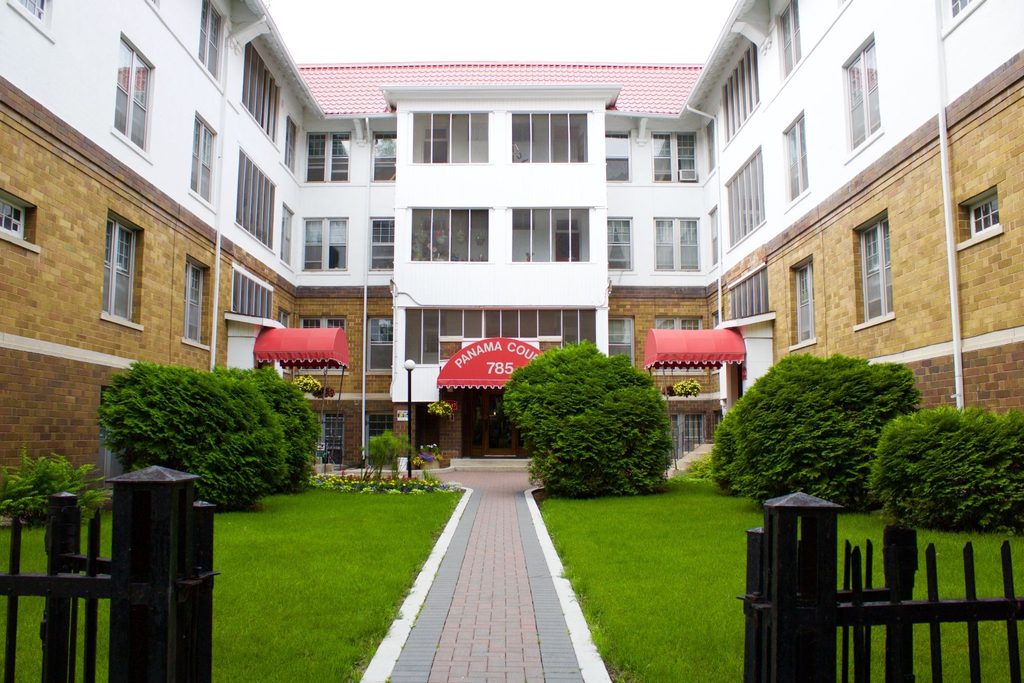
After rent, most households feel the biggest strain from recurring basics. Utilities costs in Winnipeg 2026 can vary a lot by building. Still, many renters should expect internet, phone, and Hydro to add roughly $150 to $200 a month if some services are included, or closer to $250 to $350 if they're paying most costs separately. That's why it makes sense to compare leases by total monthly carrying cost, not rent alone.
Winnipeg grocery prices in 2026 aren't usually extreme by Canadian big-city standards, but they still take a real share of income. A single renter might spend about $350 to $500 a month on groceries, while a couple can land closer to $700 to $900. National inflation pressure is part of that background.
Transportation costs in Winnipeg depend heavily on how you get around. If transit works for your routine, a monthly pass can keep costs predictable. If you drive, gas, insurance, maintenance, and parking can quickly turn transportation into one of your largest non-rent expenses.
These simplified ranges can help you pressure-test your own budget:
These aren't hard caps, and they shouldn't replace your own numbers. They're best used as planning tools so you can see whether a lease feels sustainable before the extras start stacking up.
At a high level, yes. Winnipeg usually comes in below Toronto for rent and overall monthly expenses, and it often stays a bit easier on the budget than Calgary as well. If you're doing a Winnipeg vs. Toronto cost comparison or sizing up Winnipeg vs. Calgary cost differences, housing is usually where Winnipeg keeps its clearest advantage.
That doesn't mean every renter will find it inexpensive. It means Winnipeg often gives you more room to balance space, neighbourhood, and monthly essentials than Canada's highest-cost markets do.
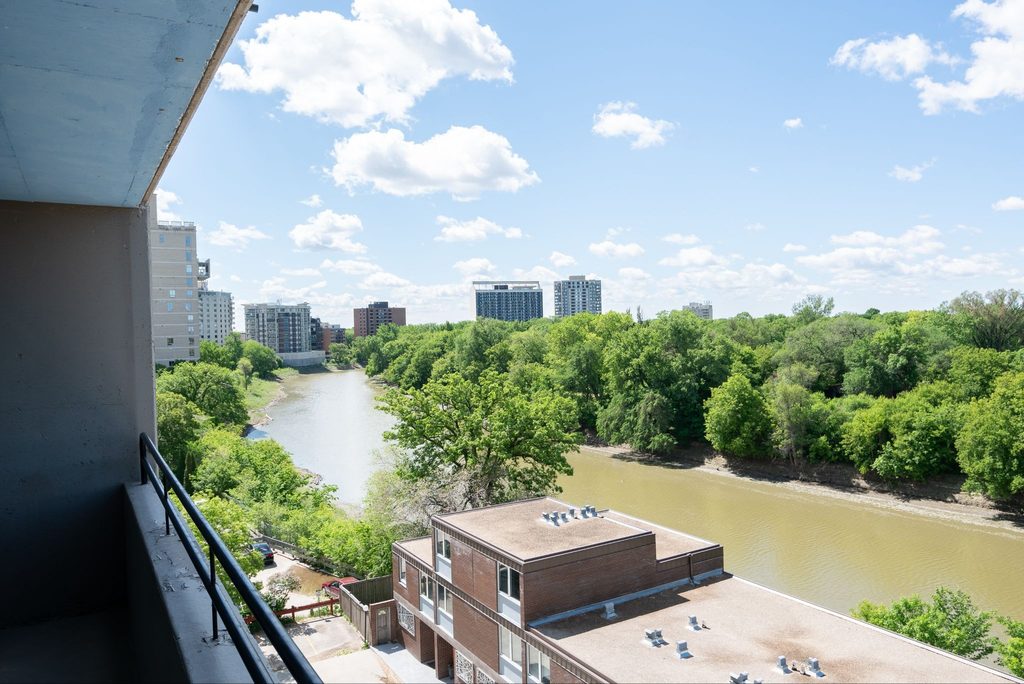
Winnipeg is still relatively affordable compared with larger Canadian cities, especially for renters who keep housing and transportation choices realistic. Most people still need a clear budget because groceries, utilities, and driving costs can add up quickly.
Many one-bedroom rentals sit around the low-$1,300s, while two-bedroom units often move into the mid-$1,600s or higher. The real monthly cost depends on location, building age, parking, and whether utilities are included.
Many renters can expect roughly $150 to $200 a month for Hydro, internet, and phone when part of the lease is inclusive. If more services are billed separately, that total can rise into the $250 to $350 range.
A single renter often needs about $2,100 to $2,500 a month to live comfortably, including rent and regular essentials. Shared housing can lower that range, while car ownership or a larger suite can push it higher.
If you're comparing neighbourhoods, lease terms, and monthly costs, looking at real listings can make the numbers feel much more concrete. Globe Property Management's Winnipeg rentals can help you see how suite size, location, and included amenities change what your budget actually gets you, so you can choose a home that feels workable month after month.
Maintenance Inquiry
XSend Us an Email
X